PM Shield / Engineering prototype

Cleaner indoor air.
A new way to evaluate it.

Use Envisioning Labs’ PM Shield prototypes for indoor air quality research, building envelope studies, and smoke-resilience pilot projects.

A window-connected filtered-air system designed to supply clean outdoor air and create slight positive indoor pressure—helping investigate a different approach to fine-particle infiltration.

Second-generation R&D equipment · Evaluation access subject to suitability, safety review and availability · Not a certified consumer air purifier

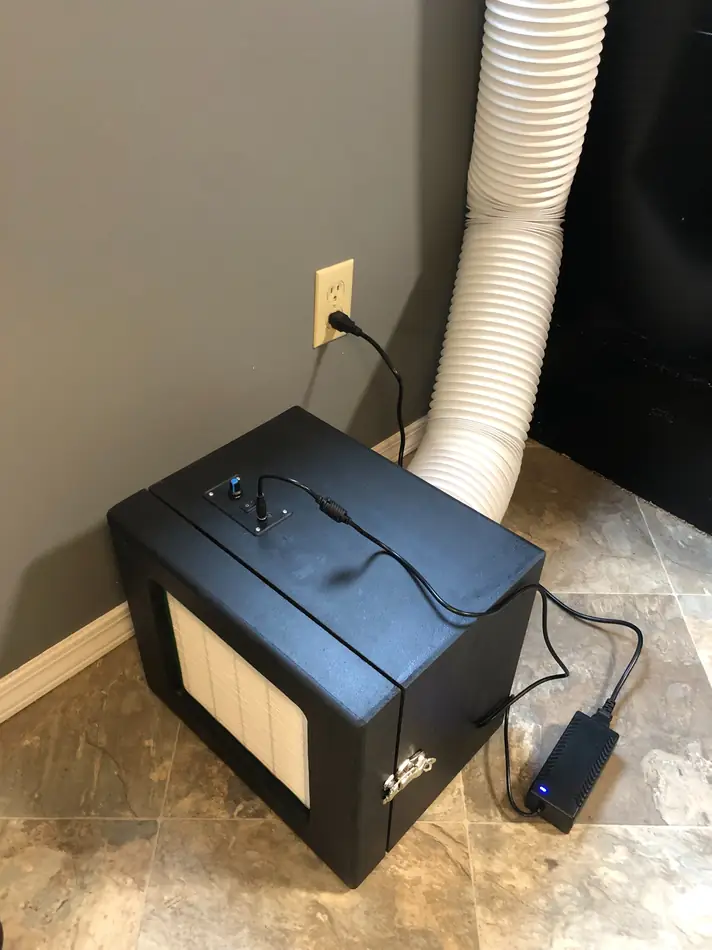
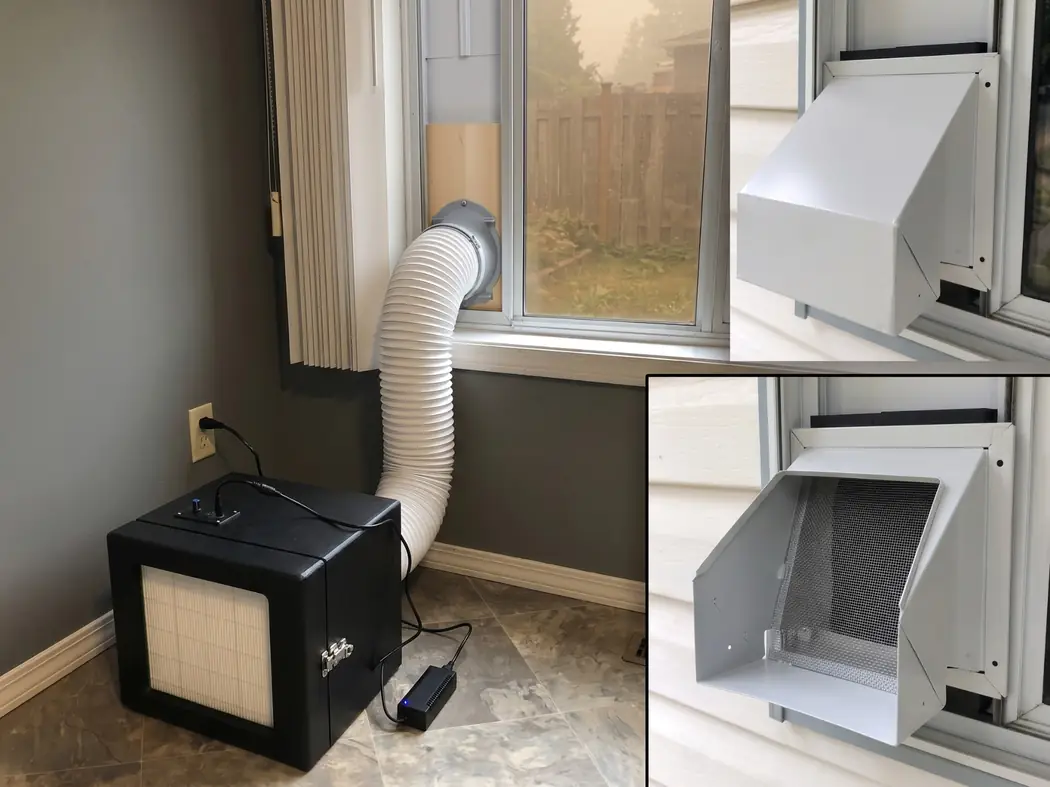
Actual PM Shield engineering prototype installed in a home, with duct to a window insert and indoor filtration enclosure
Actual prototype installation · Envisioning LabsFrom concept to field evaluationEPA Phase 2 testing included two homes and a separate laboratory configuration.

Prototype design and evaluation information sourced from Envisioning Labs’ revised October 2026 technical sheet.

  • Physical hardware
  • Two operating modes
  • Independent EPA evaluation

How it works

Filter. Supply. Pressurize.

PM Shield is designed to treat the incoming air and reduce the entry of unfiltered smoke through normal building leakage paths.

  1. 01 / Intake

    Outdoor air

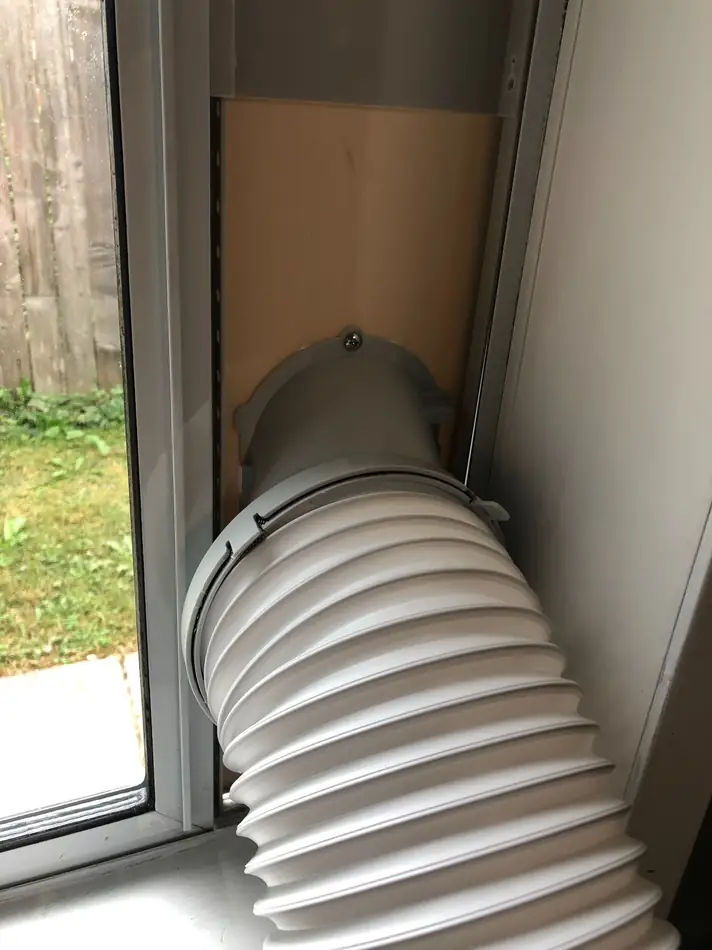
    An appropriately fitted window connection admits outdoor air.

  2. 02 / Transfer

    Flexible duct

    A hose connects the window insert to the indoor prototype.

  3. 03 / Filter

    HEPA filtration + fan

    Air passes through the filter enclosure before entering the space.

  4. 04 / Effect

    Positive pressure

    A slight pressure advantage is intended to reduce unfiltered particle ingress.

Positive-pressure effectiveness depends on the building envelope, window fit and operating conditions. Large open gaps can limit the intended effect.

Flexible evaluation modes

Two setups, different questions.

Each mode was evaluated under different test conditions and should be interpreted separately.

01 · Residential field configuration

Positive-pressure outdoor-air supply

Connected to a suitable operable window, the prototype filters outside air and supplies it to the building. This mode investigates whole-home particulate reduction and infiltration control.

EPA context: two volunteer homes; average initial PM2.5 of 92 µg/m³.
02 · Laboratory configuration

Indoor-air recirculation

Without the window duct attached, the prototype can draw and filter indoor air within a room. This configuration removes particles already inside but does not itself prevent new outdoor smoke infiltration.

EPA context: controlled laboratory; average initial PM2.5 of 180 µg/m³.

EPA Phase 2 · January 2024

Evidence from independent testing.

The findings below reflect the specified prototypes and test conditions—not a consumer-product rating or universal performance guarantee.

19 min

Average time to 80% PM2.5 reduction

Positive-pressure mode · Two volunteer homes

11 min

Average time to 80% PM2.5 reduction

Recirculation mode · Laboratory test

38.5 W

Average measured power draw

EPA laboratory evaluation

62.9 dB

Measured noise

At 1.5 m from the fan outlet

Important context. Reported clean-air delivery rates were 18 CFM (field positive-pressure configuration) and 67 CFM (laboratory recirculation). The EPA did not endorse or certify the product.

Request the technical data sheet

Potential evaluation partners

Built for practical learning.

We are exploring prototype access with organizations able to evaluate the system responsibly and document useful evidence.

01 / Housing

Housing & community providers

Investigate installation feasibility and particulate conditions in representative indoor spaces.

02 / Research

Building-science teams

Characterize pressure, airflow, filtration and envelope-dependent performance.

03 / Resilience

Health & resilience organizations

Scope monitored pilot studies relevant to wildfire smoke or seasonal haze.

Prototype access / by arrangement

Could PM Shield fit your next field evaluation?

Tell us what you want to learn and where you plan to test. We can discuss the configuration, prototype availability and whether a rental or collaborative pilot is appropriate.

Before a prototype can be released

All terms, costs, operating instructions and safety responsibilities would need to be agreed. The documented unit uses a 120 V AC-to-48 V DC supply; local electrical compatibility, housing conditions and equipment status must be verified. Deployment depends on equipment condition, installation suitability and agreed safety responsibilities. This page is not an offer of immediate consumer rental.